If you need gynaecological surgery to manage pelvic pain, heavy periods, or infertility, laparoscopy is likely to be a viable option. Though it is an increasingly common surgical technique, it is natural to feel unsure or worry about the outcomes. This “keyhole” approach prioritises quicker recovery and reducing pain, without sacrificing effectiveness.
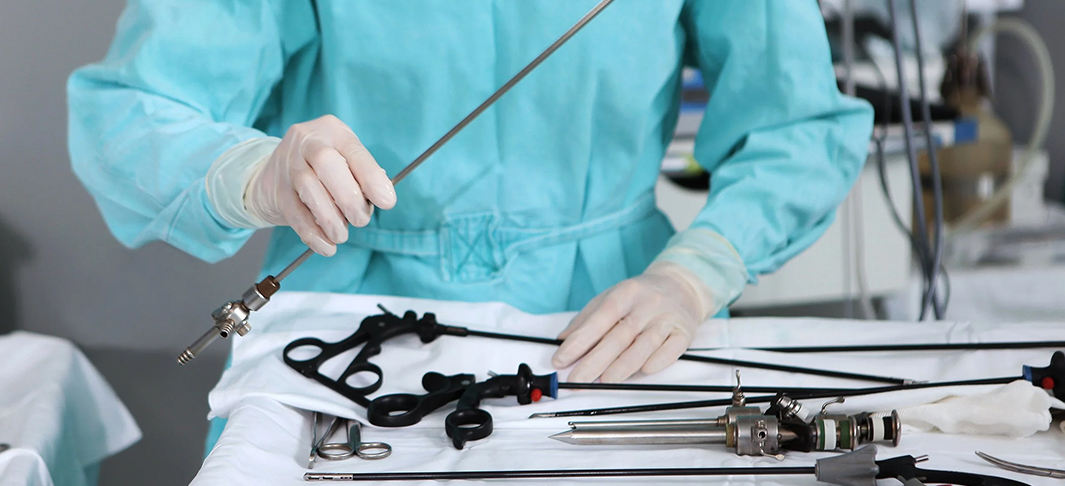
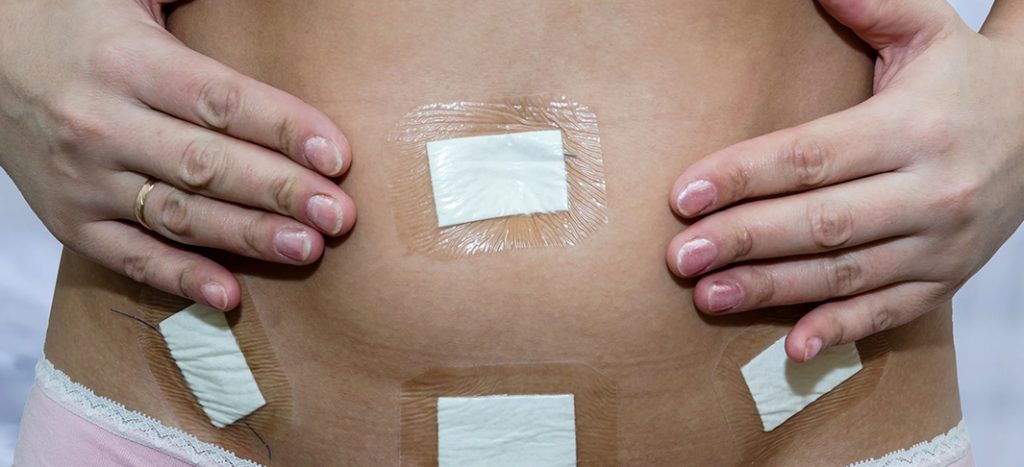
Laparoscopy (also known as keyhole surgery) is a minimally invasive surgical technique performed through a few small cuts (usually under 1cm) on the lower belly instead of one large incision. A long and thin telescope is usually placed in the belly button hole to view the uterus, ovaries, fallopian tubes, and surrounding tissue. If needed, treatment can be performed at the same time.
Laparoscopy may be required to investigate or fix conditions that need surgical attention. It can diagnose and treat in the same action.
Some common reasons include:
Most benign gynaecological conditions that require surgery can be completed through laparoscopic surgery.

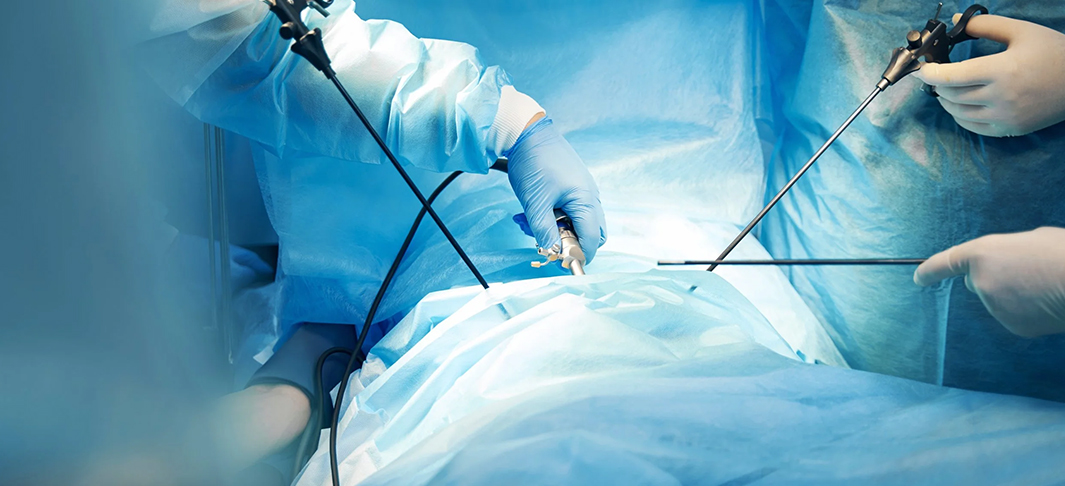
Laparoscopy is always performed under general anaesthetic. Small incisions are made in the belly button and lower belly, and carbon dioxide is used to gently expand the abdominal wall, creating space to see and work safely. Special laparoscopic instruments are used to gently move your internal organs and perform any treatment as necessary.
Most procedures take 1-2 hours, depending on complexity. Most women are able to go home the same day (day surgery), though occasionally an overnight stay is needed for monitoring after a particularly long or complicated procedure.
Recovery depends on what was done, and how your body responds. Most women are up and walking soon afterwards and feel well enough to go home on the same day. You might feel bloated or sore in your belly or aching in the shoulders for a few days. This is usually from the gas used during surgery, and settles with rest and simple pain relief.
Light activities resume within a few days and most people return to work in 1-2 weeks. Full recovery usually takes around 2–4 weeks, especially after more extensive procedures.
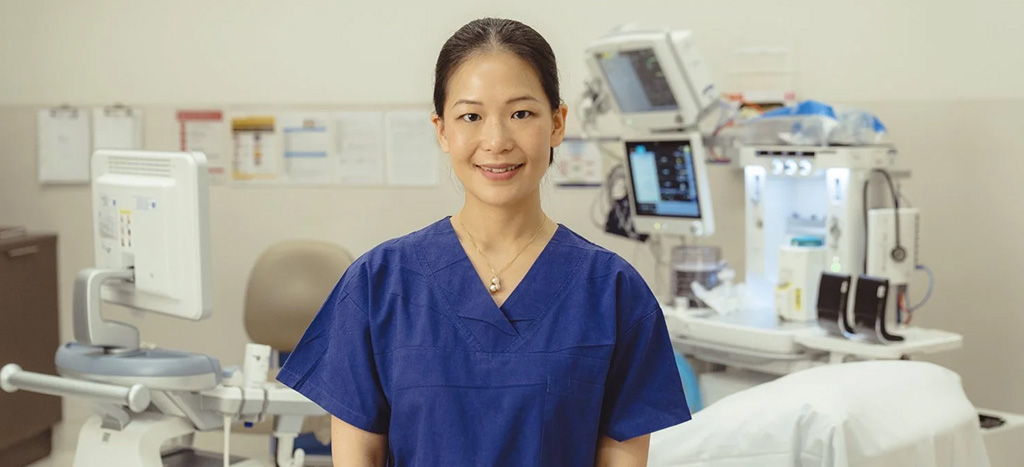
Dr Tan is a specialist gynaecologist with advanced laparoscopic fellowship training for complex cases where precision and care matter most. Her approach combines meticulous surgical technique with a strong focus on ovarian and fertility preservation.
As a Fertility Specialist with Genea, Dr Tan can also offer egg freezing before surgery if required. Surgery can be a daunting prospect, and for many women, this level of comprehensive care without requiring referral to other specialists provides control and reassurance of continuity of care.
Dr Tan combines high‑level skill with genuine care. Many women appreciate how she listens, takes the time to explain clearly, and helps you to make a decision without pressure so that you can feel confident about the next step.