
Pelvic Pain

Pelvic Pain Pain that interferes with your life deserves more than a heat pack — it deserves a proper answer.

Pelvic pain can be difficult to explain, but shouldn’t be dismissed. It might flare during your period, or around ovulation. It may be triggered by specific activities. Or it might simply linger, without any obvious pattern. It’s easy to second guess yourself or minimise your symptoms, but pelvic pain should never be something that you just have to put up with.
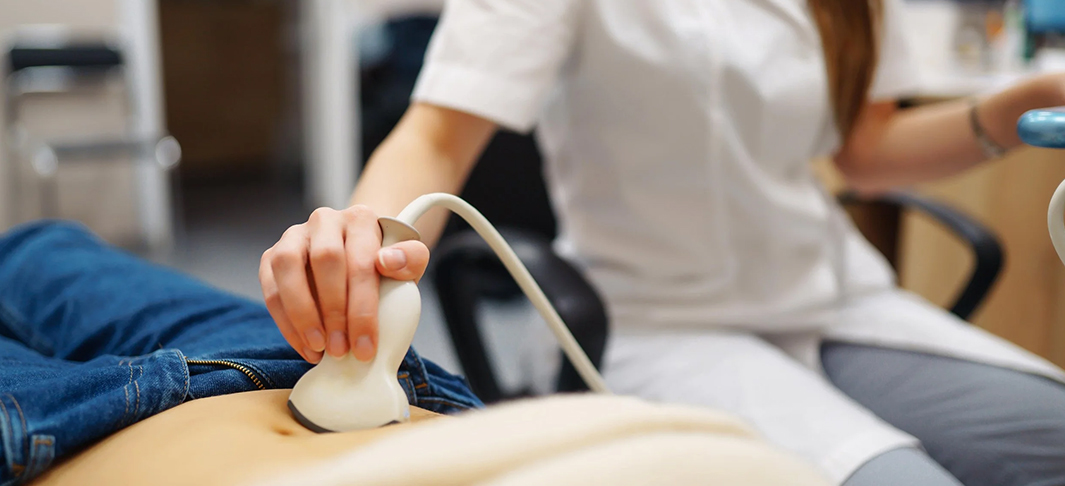
Pelvic pain investigation and treatment – Dr I Ferne Tan Sydney

What Is Considered “Normal” Pelvic Pain?

Pain is common. But that doesn’t mean it’s normal. Any pain that affects your day-to-day life is worth investigating, even if your tests are “normal”. But certain symptoms can be signs of an underlying condition.

  • Discomfort during sex or bowel movements
  •  Cramps that begin days before your period and continue through it
  •  Persistent pelvic heaviness, aching, or sharp pelvic pain
  •  Pain during ovulation

What Could Be Causing Your Pelvic Pain?

There isn’t one single cause of pelvic pain, and more than one condition can be at play. Common conditions include:
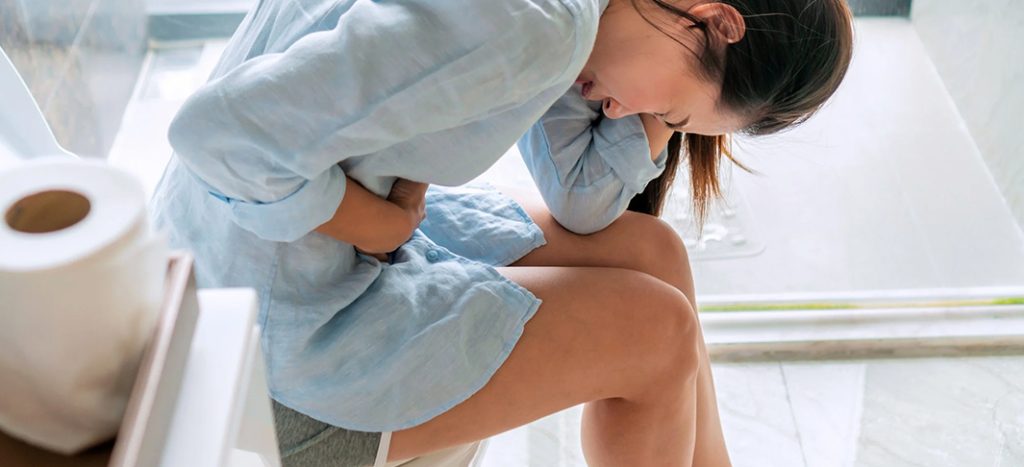
  • Endometriosis: where tissue similar to the uterine lining grows outside the uterus
  • Adenomyosis: when that tissue grows into the uterine wall itself
  • Fibroids: non-cancerous growths in the uterus
  • Ovarian cysts or torsion: can be felt as sharp or dull pain
  • Pelvic adhesions: internal scarring that can restrict organ movement
  • Pelvic inflammatory disease (PID): inflammation caused by infection in the pelvis.p
Pelvic pain investigation and treatment – Dr I Ferne Tan Sydney

Investigating Pain, Without Dismissing It

Dr Tan takes the time to understand the full picture of your symptoms, history, and priorities for management before recommending next steps. These may include:

  • Pelvic ultrasound
  • Blood tests to check for hormonal or inflammatory markers
  • MRI if deeper imaging is needed
  • Laparoscopy (keyhole surgery) when other methods don’t provide answers

Diagnosis is not just about a label, it can give you relief, validation, and a sense of direction.

What Treatment Might Look Like

Treatment is based on the cause of your pain, your age, and your priorities, whether that’s managing symptoms, planning pregnancy, or preventating complications.

Options may include:

  • Hormonal therapies: including pills, injections, IUDs, they’re often aimed at symptom control
  • Antibiotics: if the pain is due to an infection
  • Laparoscopic surgery: for endometriosis, fibroids, cysts, or adhesions
  • Ongoing support through a trusted network of Physiotherapists, psychologists, and dieticians.

You’ll never be rushed into decisions, just supported to make informed ones.

Why Patients Trust Dr Tan

Dr I-Ferne Tan is Sydney based gynaecologist with fellowship training in advanced laparoscopic (keyhole) surgery and a special interest in complex pelvic pain. She combines surgical precision with a strong focus on fertility-sparing techniques, particularly for younger women who may wish to conceive later. But what patients appreciate most is her calm, thorough, and thoughtful approach. She listens closely and explains things in a way that just makes sense, so you can feel informed and confident in every decision.
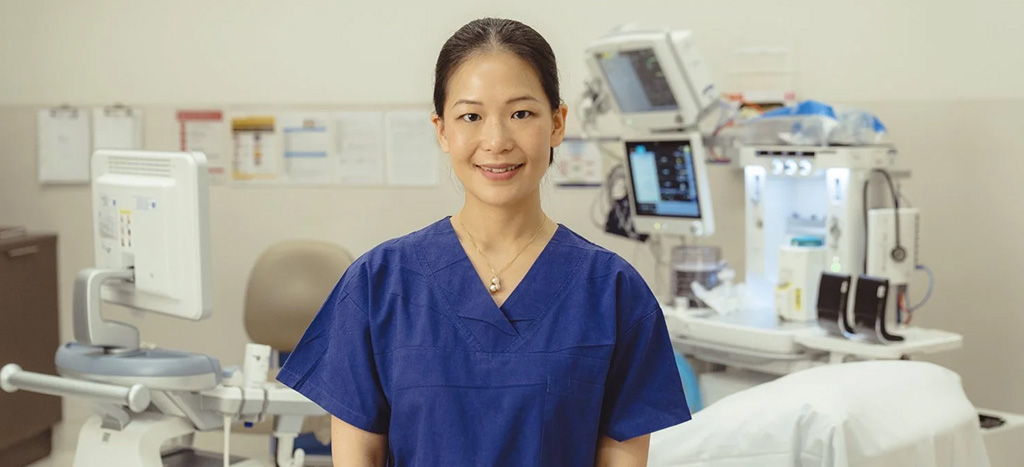

Dr I Ferne Tan, fertility and gynaecology specialist in Sydney

Associations & Affiliations

Australasian Gynaecological Endoscopy & Surgery Society Limited logo
Fertility Society of Australia and New Zealand logo
Society of Endometriosis and Uterine Disorders logo
Royal Australian and New Zealand College of Obstetricians and Gynaecologists logo
GENEA World Leading Fertility logo
National University Health System logo