

Living with Endometriosis
Understanding Pain, Fertility, and Your Treatment Options
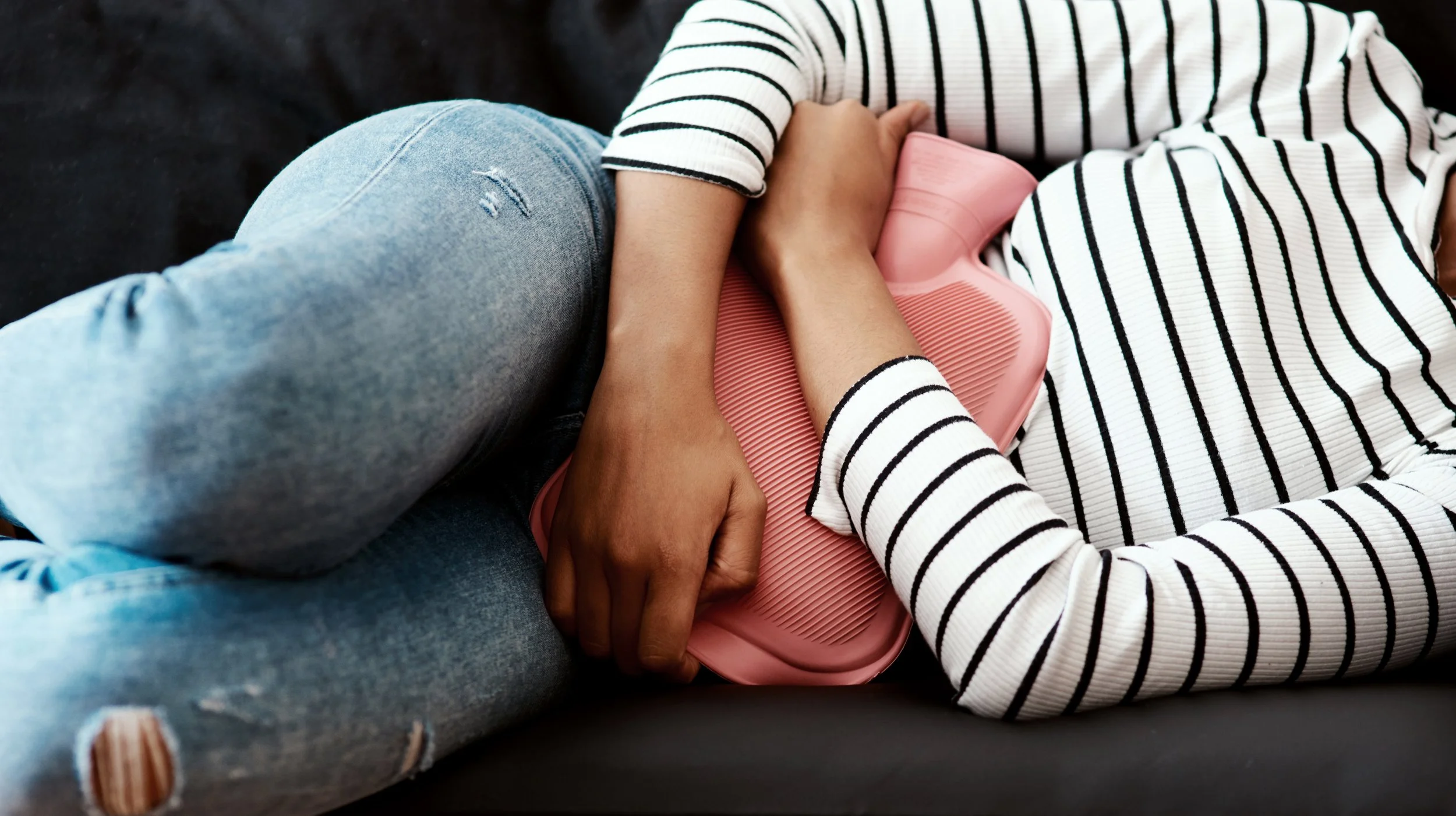
It often starts with pain dismissed as “normal period pain” or “not severe enough that you can’t push through”. There’s the fatigue that you learn to mask, especially after countless tests and no real answers. Your bowel or bladder just seems a bit off, but you learn to live with it. Or maybe you’re wondering why falling pregnant feels harder than it should. It’s hard to explain, but deep down you’ve always known that something isn’t quite right. Endometriosis affects 1 in 7 women. But it’s not just about painful periods. It can touch every part of your life: work, intimacy, fertility, and your sense of wellbeing.
Do These Symptoms Sound Familiar?
Because symptoms overlap with other conditions, endometriosis can go unrecognised for years. They are often minimised — even by women themselves.
You may notice:
Period pain disrupts your daily life, whether that is working, studying, or socialising.
Pain during sex, bowel movements, or urination (especially during your period)
Fertility issues or miscarriages
Fatigue, bloating, or unusual bleeding
If you're experiencing any of the following, it’s worth speaking to a specialist, even if previous tests have come back “normal”.
What Is Endometriosis?
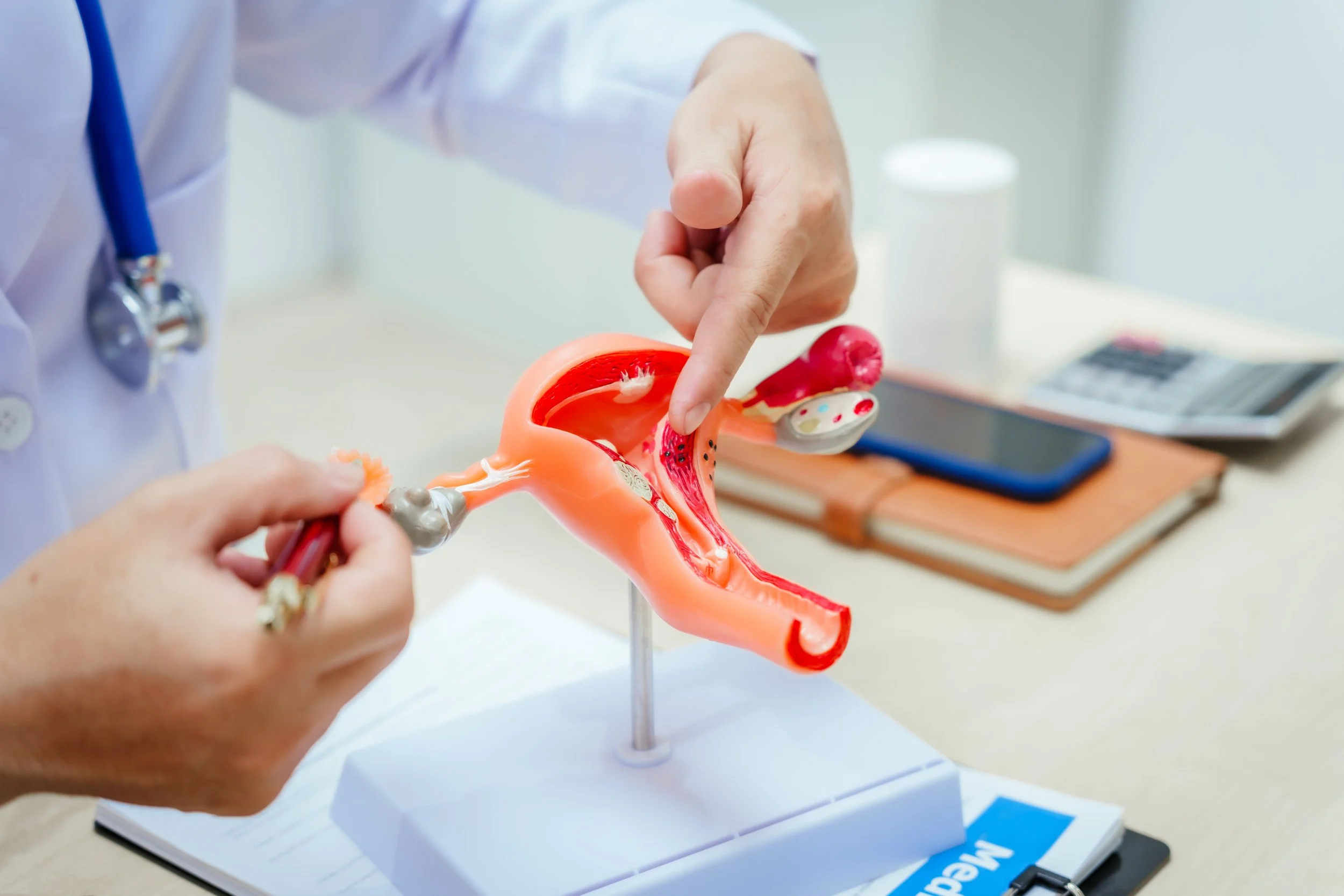
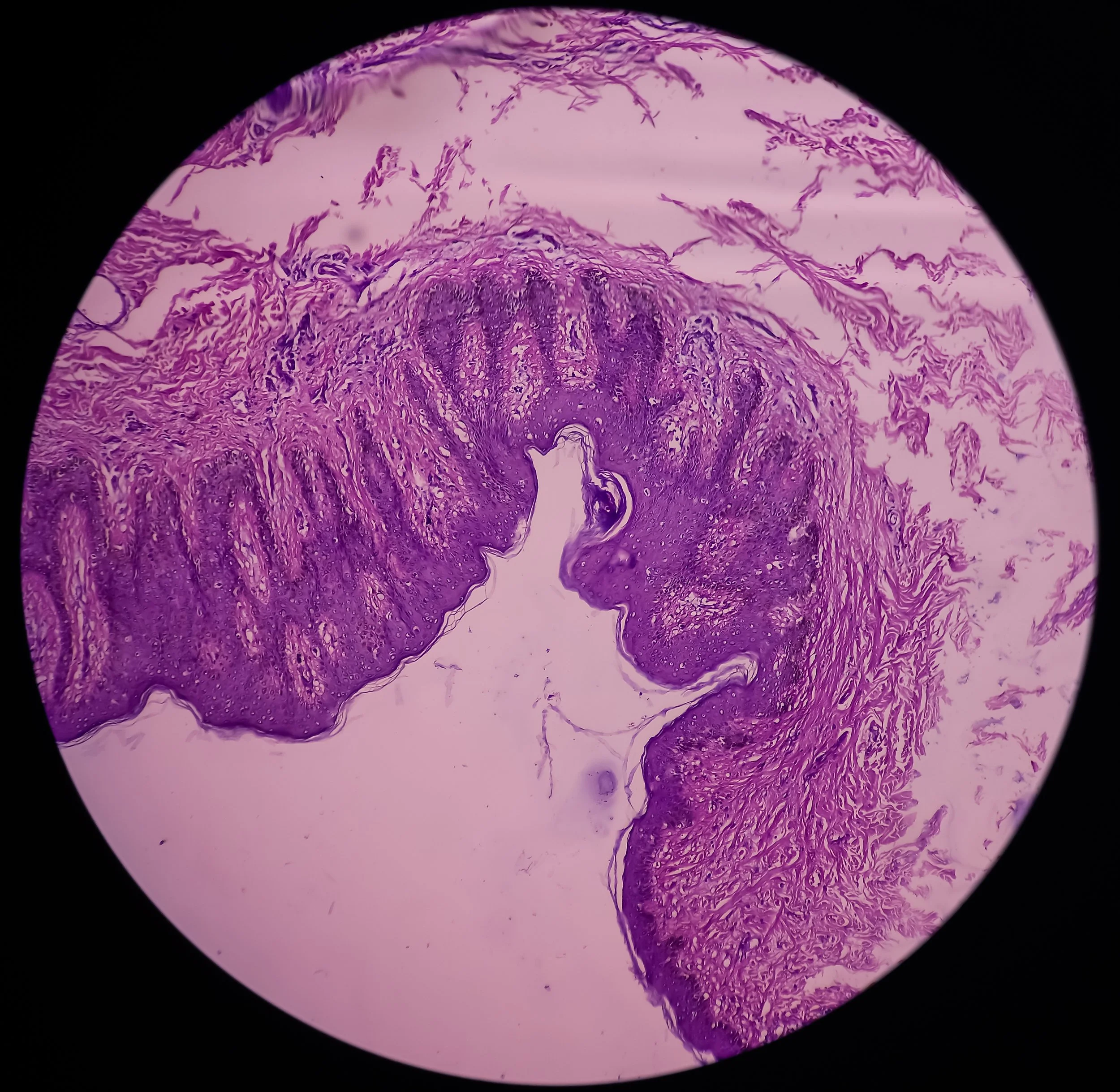
Endometriosis is a chronic condition where tissue similar to the uterus lining grows outside the uterus, often around the ovaries, pelvic walls, or bowel. This tissue responds to hormones and bleeds with your period, causing inflammation, scarring, and pain.
It’s not just pain, it can affect your:
Fertility and egg reserve
Mental wellbeing
Digestive and urinary function
Sexual health and relationships
How Endometriosis Affects Fertility
Endometriosis is found in up to 50% of women with fertility challenges.
Inflammation in the pelvis can interfere with egg and sperm quality, disrupt implantation of an embryo, or interfere with early pregnancy development. The pelvic scar tissue that forms can also block or scar the fallopian tubes or ovaries.
Women with endometriosis are also more likely to experience pregnancy complications such as Miscarriage, Preterm birth, or Placenta issues. For women trying to conceive, treating endometriosis can be a crucial step in improving fertility outcomes.
How do we diagnose Endometriosis
With years of experience treating endometriosis, Dr Tan will quickly recognise the signs of an Endo warrior. Not everyone will experience severe pelvic pain, which may make endometriosis harder to diagnose, but Dr Tan will carefully consider your symptoms and guide you through the right investigations. These may include:
Pelvic ultrasound: to assess your ovaries and uterus.
Deep endometriosis scan: a specialised scan with higher detection rates for endometriosis.
MRI or further imaging if needed
Laparoscopy (key-hole surgery): minimally invasive surgery to confirm and treat endometriosis
The goal isn’t just to confirm endometriosis. It’s to help you understand what’s happening and manage what comes next.
Personalised Endometriosis Treatment
No two women experience endometriosis the same way. Some women need pain relief, others want to preserve fertility, and many need both. You deserve a management plan that strikes the right balance and meets your needs, whether its medical, surgical, or anything in between.
Options may include:
Hormonal therapy: to reduce inflammation and bleeding
Laparoscopic excision surgery: to removal of endometriosis tissue via keyhole surgery
Egg freezing: to preserve your fertility, particularly if you are planning ovarian surgery.
Fertility support (including IVF): if you are currently trying to conceive
Supportive therapies from a trusted network of allied health specialists including pelvic physiotherapists, psychologists, dietitians, and integrative health providers.
Why Choose Dr I-Ferne Tan
Dr I-Ferne Tan is a Sydney-based gynaecologist with advanced fellowship training in minimally invasive and fertility-preserving surgery. She specialises in complex pelvic pain, reproductive surgery, and managing endometriosis at all stages.
What sets Dr Tan apart isn’t just surgical skill — it’s how she listens, explains, and supports women through often complex and emotional decisions.
Whether you’re exploring treatment, managing pain, or trying to conceive, she’ll help you understand your options without judgement or pressure.
FAQs
-
Laparoscopy (keyhole surgery) is the gold standard, but your symptoms, medical history, and scans help guide whether it’s necessary.
-
Yes. Many women with endometriosis still conceive naturally. Surgical treatment of endometriosis can improve your chances (double) of conceiving naturally or with IVF.
-
Not always. Surgery is recommended based on symptoms, goals, and severity. Medical and lifestyle management may be equally effective in some cases.
-
Endometriosis is not cancer, but without treatment, endometriosis can progress and it can affect your quality of life, fertility, and long-term pelvic health if left unmanaged.
-
Most of the hormonal medication is now subsidised on the PBS and many procedures are at least partially covered by Medicare and private health insurance. Contact us for a personalised quote.
When You’re Ready
Endometriosis can quietly chip away at your energy, your plans, and your confidence. But with the right care, it doesn’t have to define you. When you feel ready to explore your options, support is available.