
IUI
Intrauterine insemination, an alternative option
As your fertility specialist, I help you to understand all the possible avenues for growing your family.
Though IVF is the most common and well-known procedure, intrauterine insemination (IUI) may be more suitable for your situation. A comprehensive fertility evaluation can identify the best approach for you and your partner.
An alternative to IVF, how IUI works
Intrauterine insemination is a simpler, less invasive option compared to IVF. This technique involves introducing sperm directly into your uterus, allowing the sperm to find and penetrate your egg for successful fertilisation. Because of this, IUI is not a suitable option for all couples.
IUI may be an appropriate form of assisted reproductive technology for couples facing infertility or for women pursuing single motherhood with donor sperm. Causes of conception challenges that can potentially be overcome with IUI include:
Unexplained fertility
Difficulties with intercourse
Difficulties with timing of ovulation
Women interested in solo motherhood may also consider IUI using donor sperm. In these cases, we refer to the procedure as donor insemination.
Semen collection
On the day of ovulation, your male partner provides a semen sample in a private suite at a Genea fertility clinic. If you’re using donor sperm, it will be thawed in Genea’s labs. This sample is then washed and prepared to remove debris and abnormal non-motile sperm. It is then ready for insemination.
The IUI process explained
Take a pregnancy test
Around 2 weeks after your IUI procedure, I will organise a pregnancy blood test for you.
Insemination
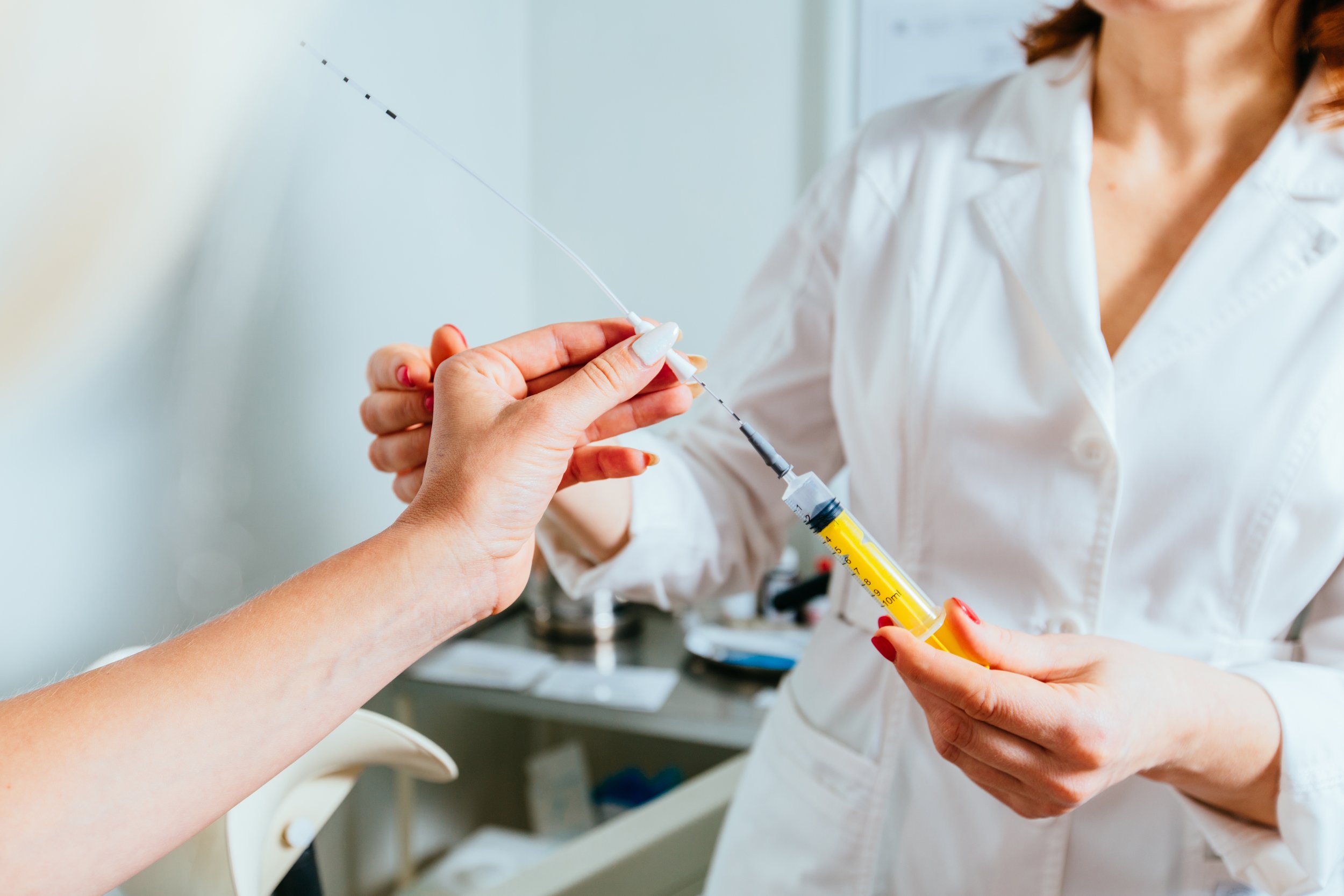
Using a thin tube known as a catheter, the prepared sperm sample is injected into your uterus. General anaesthesia is not required for this process as there is typically only minor discomfort associated, allowing you to return to your usual activities almost immediately.
Timing of IUI
If you (as the female partner) have regular cycles, we can track your hormones to identify the day of ovulation, which has the highest chance of a successful pregnancy. If not, you may require medication to stimulate ovulation.
FAQs
-
No, IUI is generally not considered a painful procedure and that’s why anaesthesia is rarely required. Some women experience mild discomfort, similar to a pap smear, or mild cramping afterwards.
-
IUI is a low risk procedure, and is less invasive than IVF. Any risks with the treatment are usually associated with hormone treatment (if you are undergoing hormonal stimulation). This can include side effects such as bloating, cramping, and nausea.
Infections from IUI are rare, especially as we screen donor sperm or your male partner for infections beforehand.
-
This depends on female age, and if there is a history of difficulty conceiving. If you have no other fertility barriers, your likelihood of success per IUI treatment is the same for other healthy women of the same age trying to conceive naturally each month. In general, this means a 25% chance if you’re in your 20s; 15% chance at 35 years old; and 5% if you’re over 40.