
Ovarian Cysts
A Persistent Dull Ache
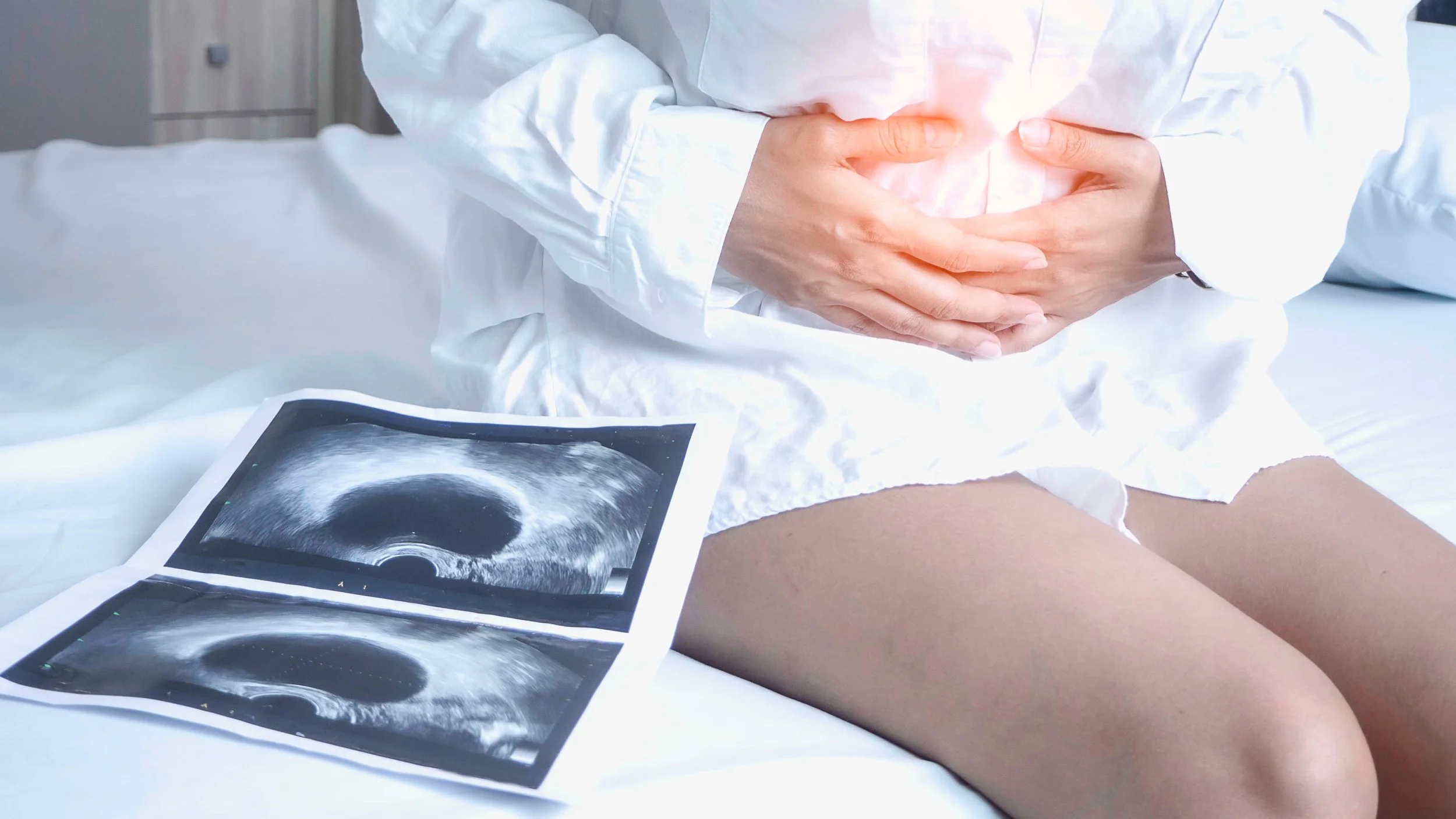
Have you had a scan that unexpectedly reveals an ovarian cyst? Thinking back, you may realise you’ve had a dull, persistent ache in the pelvis or back. Or maybe you’ve experienced sharp twinges that come and go. Or perhaps a feeling of heaviness or bloating.
Ovarian cysts are common, and often harmless. But they can cause pain or discomfort, and don’t always resolve on their own. a small percentage, especially those found after menopause or with complex features, can be cancerous. That’s why understanding what’s happening, and knowing when to act, can make all the difference.


What Exactly Is an Ovarian Cyst?
An ovarian cyst is a fluid-filled sac that forms on or inside the ovary. Most appear and resolve on their own without needing treatment. But not all cysts are the same. Some persist, grow, or cause symptoms that affect your daily life. Others, like endometriomas or dermoid cysts, may affect your fertility, require monitoring or need treatment. In rare cases, they can burst or twist the ovary (ovarian torsion), which can be painful and require urgent care.
How Do Ovarian Cysts Usually Present?
Around 70% of ovarian cysts are found by chance, often during scans for unrelated concerns. But when symptoms do appear, they tend to follow a few recognisable patterns.
Ongoing or sudden pelvic pain usually on one side, you might feel a sharp pinch or a lingering ache that makes certain movements difficult.
Abdominal fullness, heaviness, bloating, or pressure often related to larger cysts
Change in toilet habits as cysts may press on your bladder or bowel.
These symptoms are easy to overlook or explain away. They can also be mistaken for something else. But if it’s not resolving or you are concerned, it’s worth investigating further.
Ultrasound
Pelvic organs, including ovaries, are best assessed with ultrasound. It’s safe, painless, and provides a clear view of the size, shape, and location of the cyst. Especially when done internally (via the vagina or rectum).
Small and simple cysts
If you have no symptoms, you may only need monitoring with ultrasound
How Are Ovarian Cysts Diagnosed?
Blood tests
may be used to assess hormone levels or rule out other conditions.
From there, further tests might be recommended, especially after menopause, or if the cyst has unusual features. In some cases, cysts can be monitored over time to see if it is resolving or changing.
What Can Be Done If I Have a Cyst?
Many cysts need no treatment at all, just monitoring.
Symptomatic or complex cysts
If your cyst isn’t going away, is causing pain or any other symptoms, or appears complex, surgery may be recommended. In these cases, laparoscopic (keyhole) surgery is usually the preferred approach. It allows for faster recovery and less scarring.
For women considering children now or in the future, the focus isn’t just on removing the cyst, but on protecting fertility and preserving healthy ovarian function. This is where thoughtful technique by a reproductive surgeon matters.
Why Many Women Trust Dr Tan With Their Care
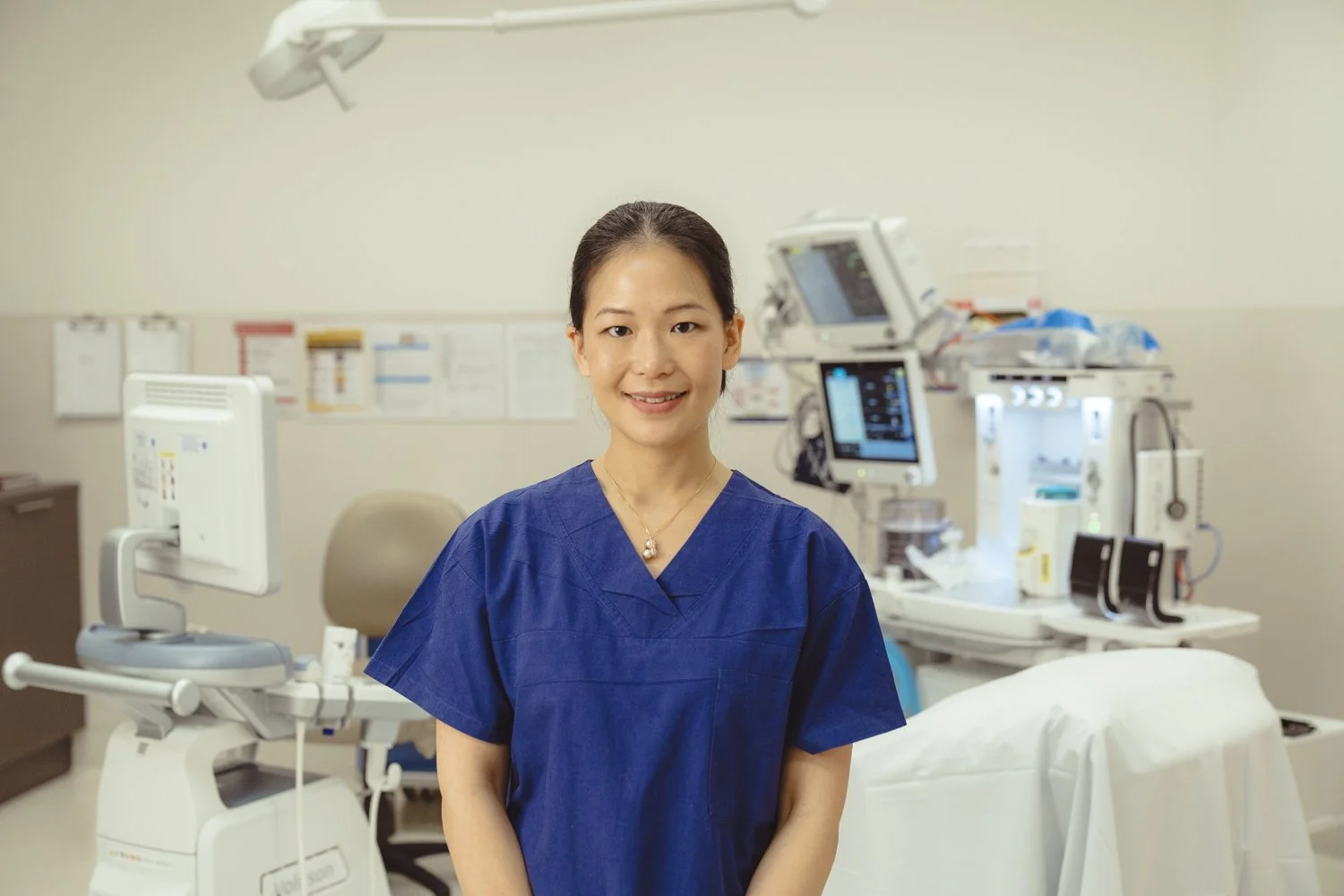
For many women, ovarian surgery is a daunting prospect, whether due to future family planning or concerns about early menopause. Dr Tan recognises and addresses these concerns with compassion and support.
As a specialist gynaecologist with fellowship training in advanced laparoscopic and reproductive surgery, Dr Tan uses minimally invasive techniques with focus on fertility preservation. This means cysts are removed with care to protect healthy ovarian tissue from further damage. Dr Tan is also a Fertility Specialist with Genea, which means if you choose to freeze your eggs before surgery, this can be arranged seamlessly without needing a separate referral to additional specialists. For many women, this level of continuity and comprehensive care provides reassurance and control during an uncertain time.
FAQs
-
No. Many cysts go away on their own, without causing any problems. Treatment is only considered if the cyst is large, painful, or potentially concerning.
-
The majority of ovarian cysts are benign. However, a small percentage—especially in postmenopausal women—can be cancerous. If there are any red flags, Dr X will guide you through the next steps.
-
Most cysts don’t interfere with fertility. But some types—like endometriomas—can impact ovarian reserve or function. Comprehensive gynaecological care should always take your fertility goals into account.
-
Yes, particularly functional cysts. If recurrence is a concern, there are strategies to help reduce the risk.
-
It can be hard to tell without a pelvic scan. If the pain is persistent, one-sided, or worsens with movement, it’s worth having it assessed.
-
Laparoscopic (keyhole) surgery is usually a day surgery procedure, with most patients returning to light activities after 2-3 days. Full recovery usually takes 1-2 weeks.