
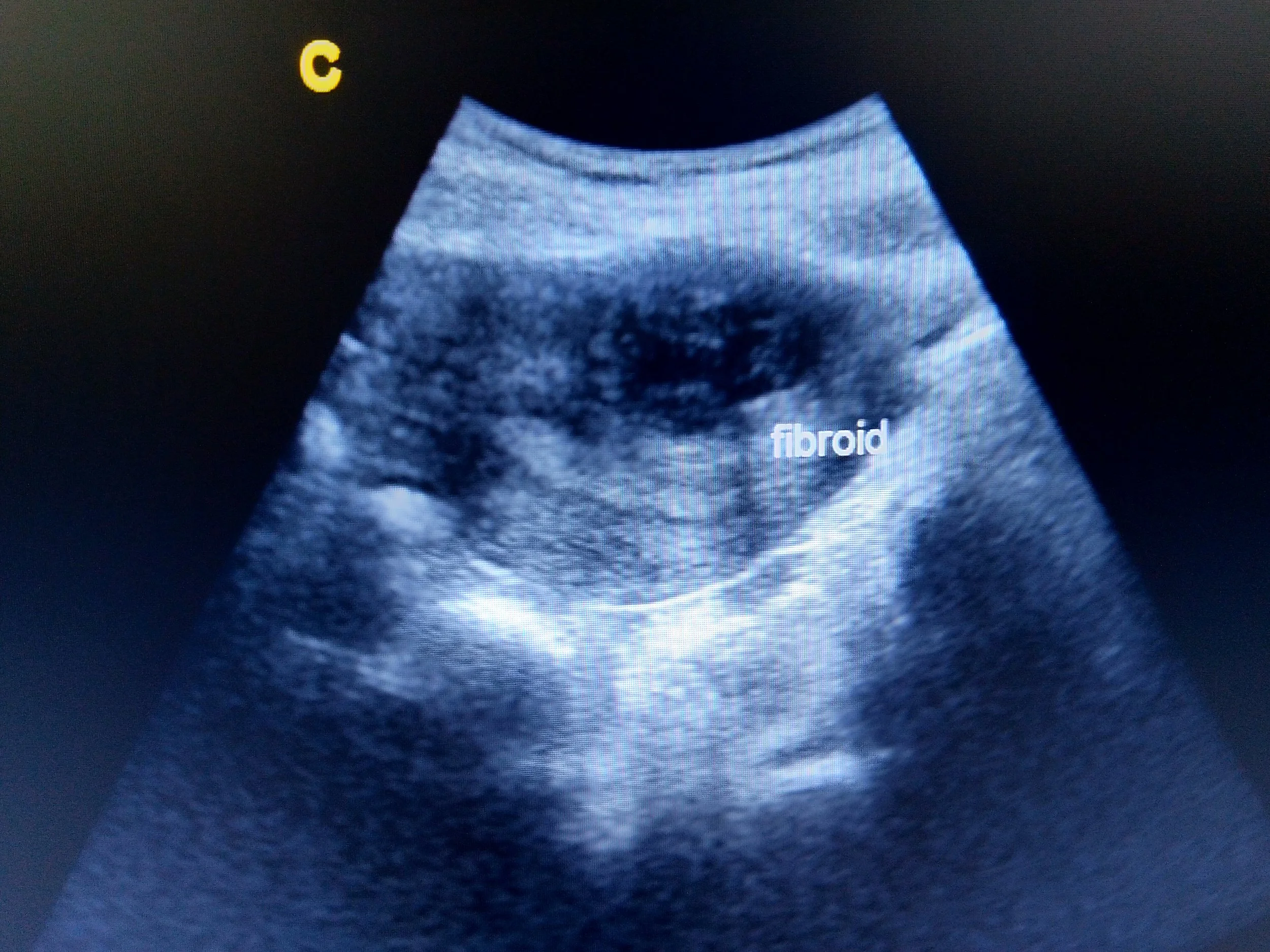
Uterine Fibroids
Understanding Your Options for Diagnosis and Treatment
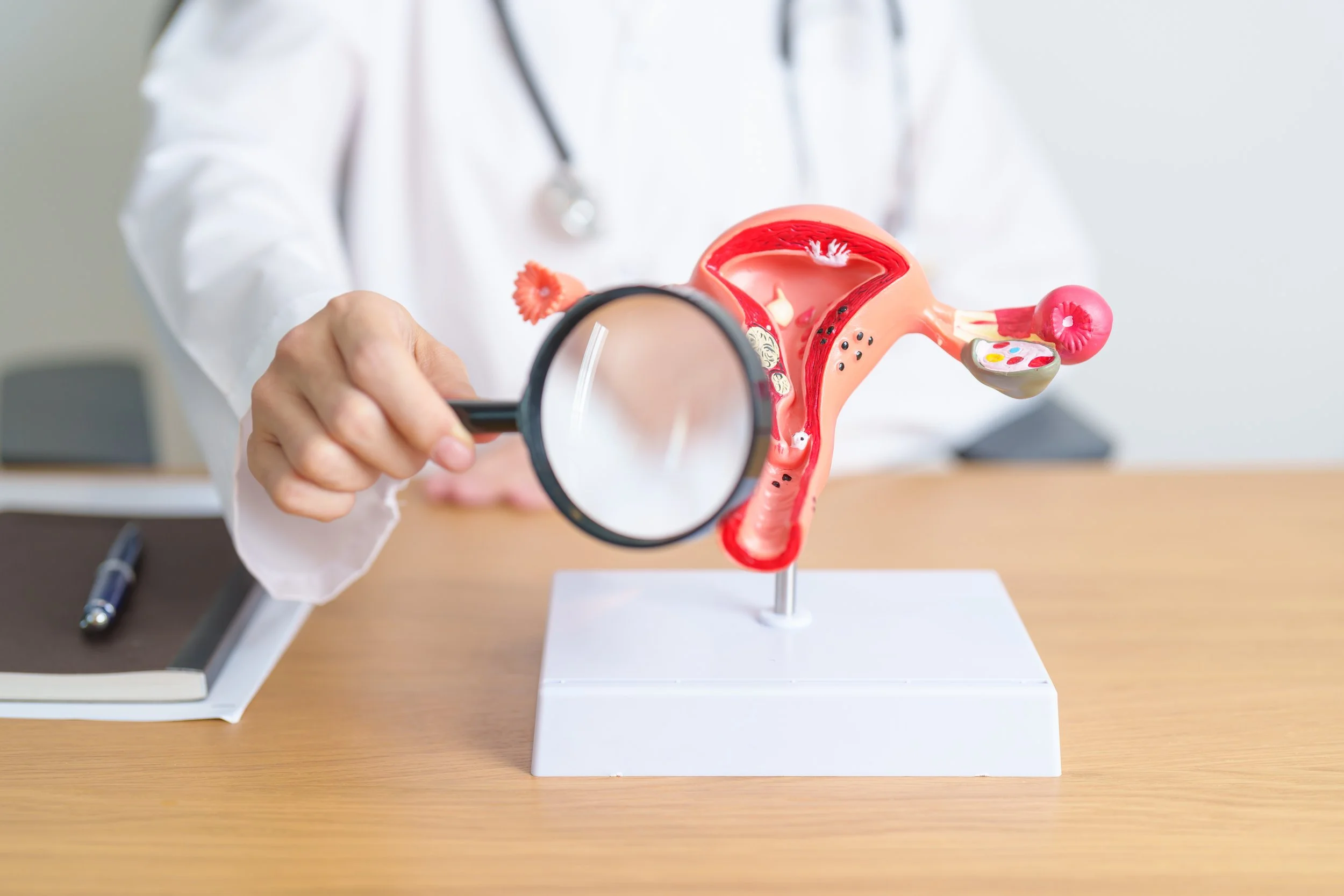
If you're experiencing heavy, prolonged periods, pelvic pressure, difficulties conceiving, or miscarriages, you may have uterine fibroids. While fibroids aren’t cancerous, they can significantly affect your quality of life.
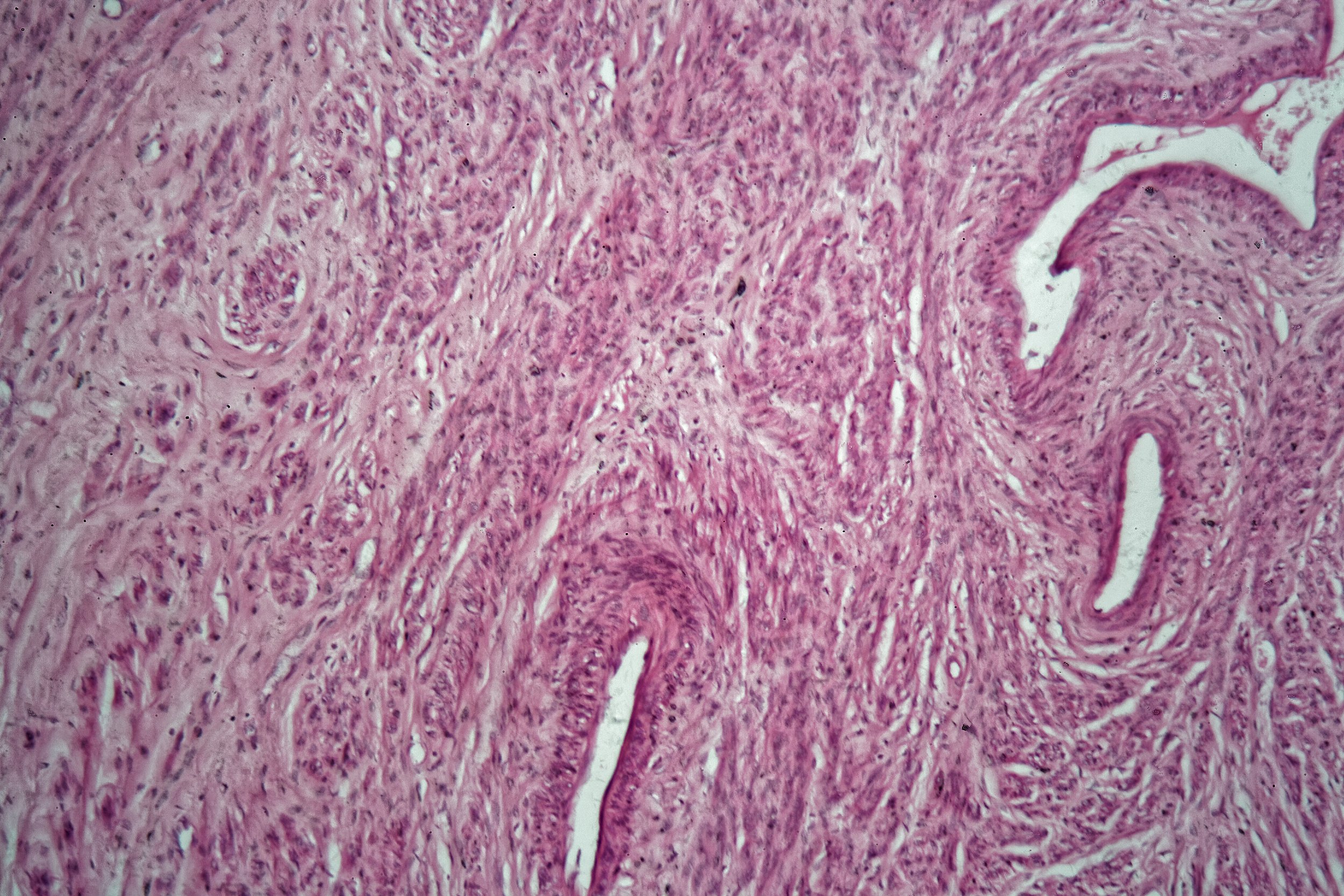
What Are Uterine Fibroids?
Uterine fibroids (also called leiomyomas or myomas) are benign (non-cancerous) growths in or around the uterus. They can vary in size and number. Some women have a single large fibroid, while others may have multiple smaller ones.
Depending on their location, fibroids may affect:
Menstrual bleeding pattern and heaviness
Fertility and miscarriage
Pregnancy and Birthing
Bladder or bowel function
Pelvic pressure and discomfort
Recognising Common Uterine Fibroid Symptoms
Many women don’t realise that fibroids are behind the symptoms they’ve been living with for years. If any of the following sounds familiar, it’s worth being assessed:
Heavy or prolonged periods
Fatigue, low iron, or anaemia
Pelvic pain or pressure
Bloating or a “full” feeling in the lower abdomen
Difficulty falling pregnant or recurrent miscarriage
Frequent urination or constipation due to pressure on nearby organs
How Dr Tan Diagnoses Uterine Fibroids
Diagnostic investigations may include:
Pelvic ultrasound: to assess your uterus
Sonohysterogram: a specialised ultrasound which utilises fluid for clearer images inside the uterus
MRI scan: for large or complex fibroids or when surgical planning is needed
Office hysteroscopy: a quick, well-tolerated procedure performed in private rooms without general anaesthetic thanks to special equipment and skilled techniques. Most women feel only mild cramping.
Personalised Treatment for Fibroids
Not all fibroids require surgery. Treatment options depend on your symptoms, life stage, and future fertility goals. Options include:
Hormonal therapies such as IUDs, tablets, or injections to help control bleeding
Hormonal medications aimed at temporarily reducing fibroid size.
Minimally Invasive Surgery for Fibroids
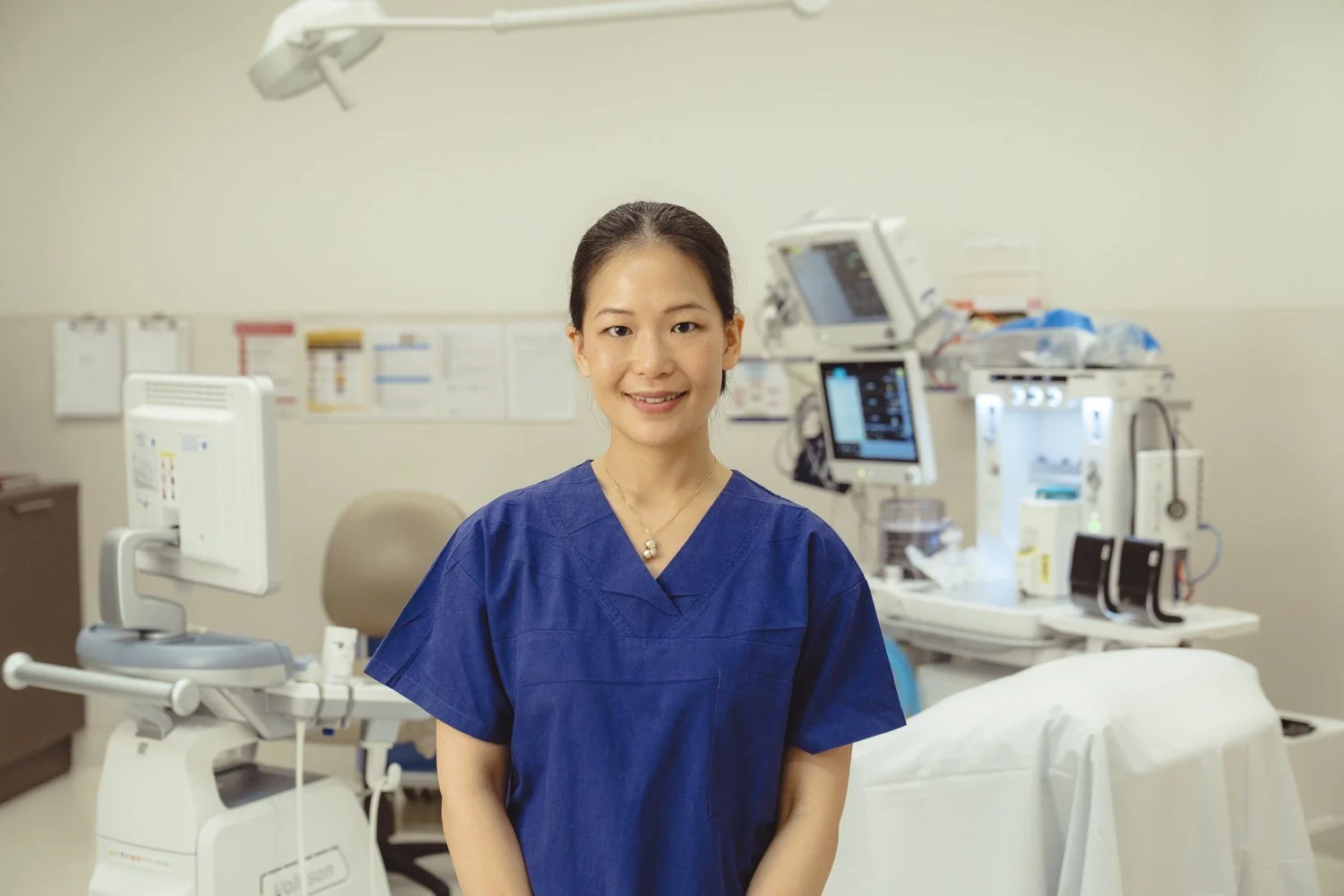
Dr Tan has advanced training in laparoscopic and hysteroscopic surgery, with experience in keyhole fibroid surgery for less pain and quicker recovery. For fibroids inside the uterus, hysteroscopic fibroid removal may also be an option. If you are planning a pregnancy, Dr Tan will discuss the potential impact of surgery and ways to minimise risks.
Minimally invasive surgery (including laparoscopic or hysteroscopic myomectomy) to remove fibroids while preserving your uterus
Hysterectomy (if your family is complete) as a permanent solution
Why Choose Dr I-Ferne Tan?
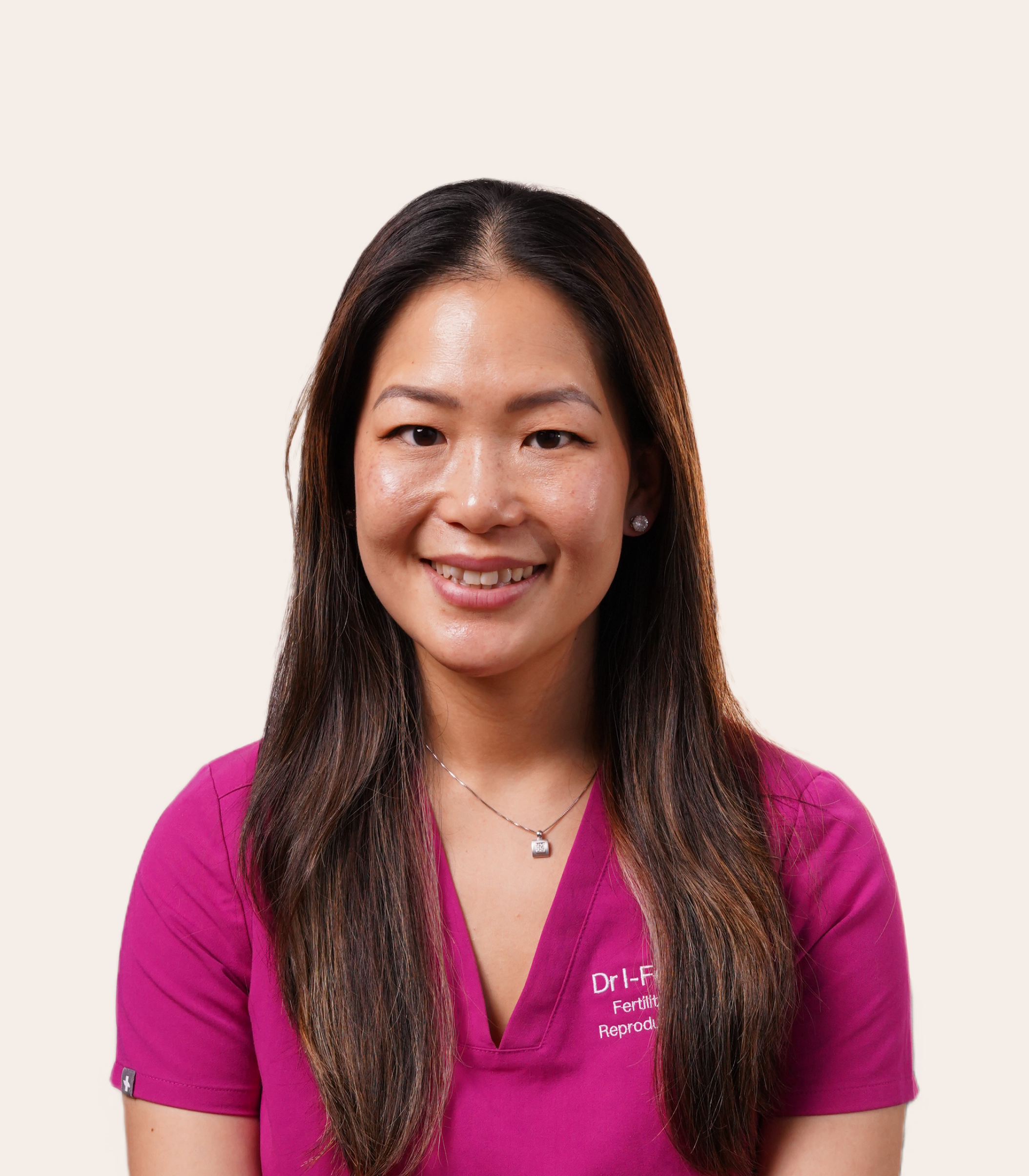
Dr I-Ferne Tan is a Sydney-based gynaecologist with expertise in managing uterine disorders such as fibroids with an evidence based, yet patient centred approach. She has postgraduate fellowship training in minimally invasive surgery for fibroid, laparoscopic myomectomy (keyhole surgery), for faster recovery and less pain. She takes a personalised approach to care, focusing on techniques that preserve fertility and support your overall wellbeing.
FAQs
-
Most fibroids are benign and not life-threatening. However, they can grow, cause significant discomfort, affect your period, impact your fertility, and cause problems during pregnancy.
-
Yes. Fibroids can interfere with implantation, pregnancy, or cause miscarriage depending on their size and location. Dr Tan provides fertility-focused care to address these concerns
-
No. Treatment depends on your symptoms, goals, and reproductive plans. Small or asymptomatic fibroids may only need monitoring.
-
In many cases, keyhole (laparoscopic) or hysteroscopic surgery is possible. Dr Tan will assess your suitability based on your scan results and clinical findings.
-
Many procedures are partially covered by Medicare and private health insurance. Contact us for a personalised quote.
Whether your fibroids are causing heavy periods, blockages, fertility struggles, or you simply want a second opinion, Dr Tan is here to help.