
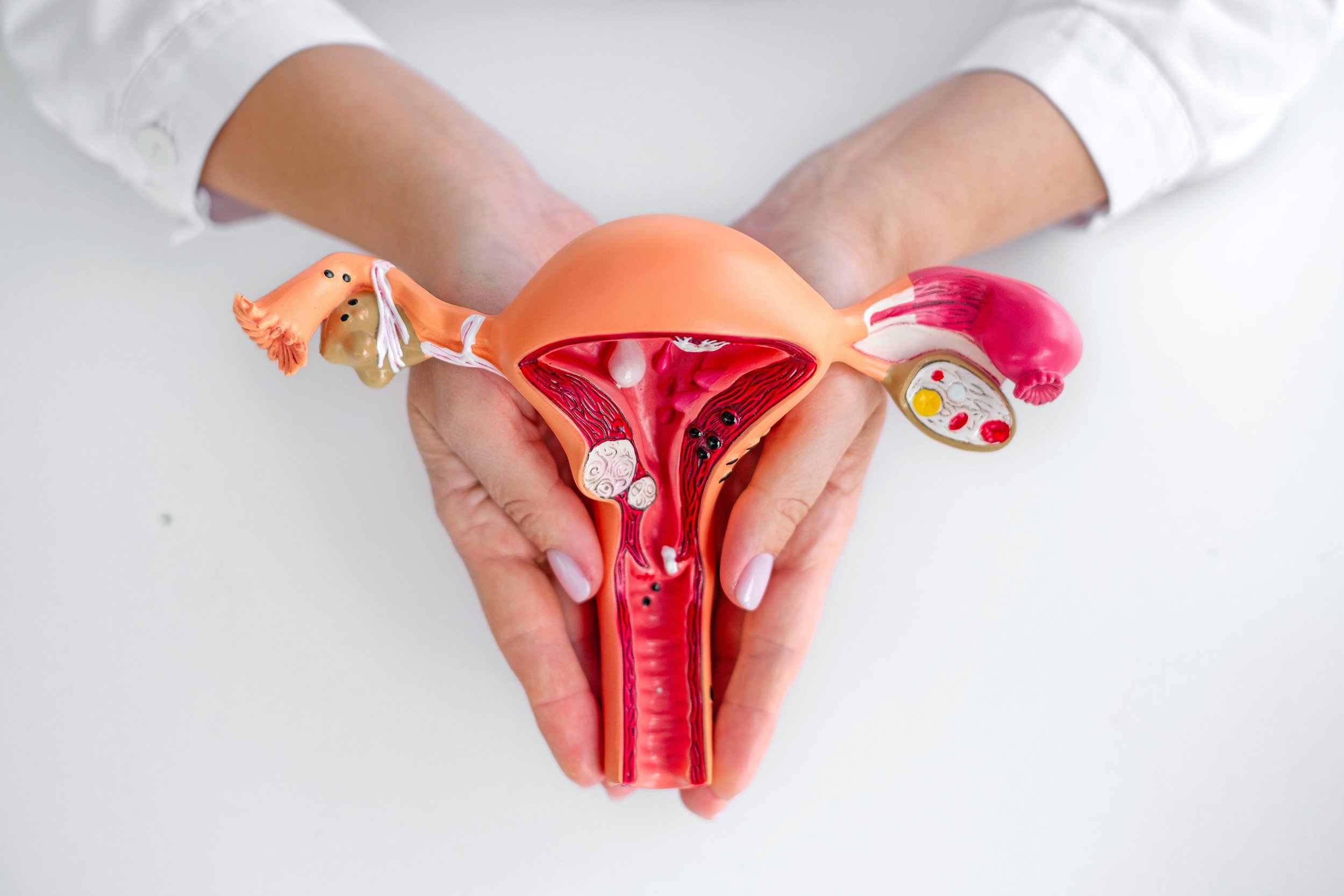
Hysterectomy
Whether by Choice or After Exhausting All Other Options
For some women, it’s something they’ve thought about for a while. Perhaps after years of managing symptoms or treatments that haven’t worked. For others, it’s a more immediate choice, to avoid a prolonged process, or to quickly treat a serious condition.
Whatever brings you to this point, it’s a deeply personal decision. A hysterectomy can bring relief, but is often accompanied by a mix of emotions, and it’s worth having the right information and support around you when making it.
What Is a Hysterectomy?
A hysterectomy is a surgery to remove the uterus. Depending on your circumstances, it may also involve removing the fallopian tubes or ovaries. You’ll no longer get periods, and you won’t be able to carry a pregnancy. But if you still have your ovaries, your hormones remain active and you won’t go into menopause.

Can a Hysterectomy Help Me?
There are many reasons to consider a hysterectomy. It’s a permanent solution for a number of symptoms. It can also be a life-saving or affirming choice.
Some of the more common reasons include:
Heavy periods: which may be due to fibroids, adenomyosis, or hormonal imbalances
Pelvic pain: commonly related to endometriosis or adenomyosis
Pelvic organ prolapse: Uterine or vaginal prolapse can cause heaviness, bulging, or discomfort.
Pre-cancer or Cancer: particularly of the uterus or cervix.
Gender affirming treatment for Trans-Men
What Are the Surgical Options?
Dr Tan’s preferred method is Laparoscopic (keyhole) surgery. It means smaller incisions, less pain, and a quicker recovery. But other methods that may be considered depending on the reason for hysterectomy. These include:
Laparoscopic hysterectomy Keyhole surgery usually involves 1-2 nights in hospital
Vaginal hysterectomy often used for prolapse, and usually involves 1-2 nights in hospital.
Abdominal hysterectomy Open surgery commonly reserved for a very large uterus, requires 2-4 nights in hospital.
Dr Tan will work with you to decide on the safest and most effective approach for your body and your goals
What to Expect After Surgery?
Regardless of the surgical method, most women are up and walking the next day. It usually takes 4-6 weeks to return to regular activities including driving, exercise, and work. (Please check with your car insurer before resuming driving.)
If your ovaries were removed, and you haven’t yet gone through menopause), you may experience menopausal symptoms. Hormone therapy may be recommended to manage these changes and support your wellbeing.
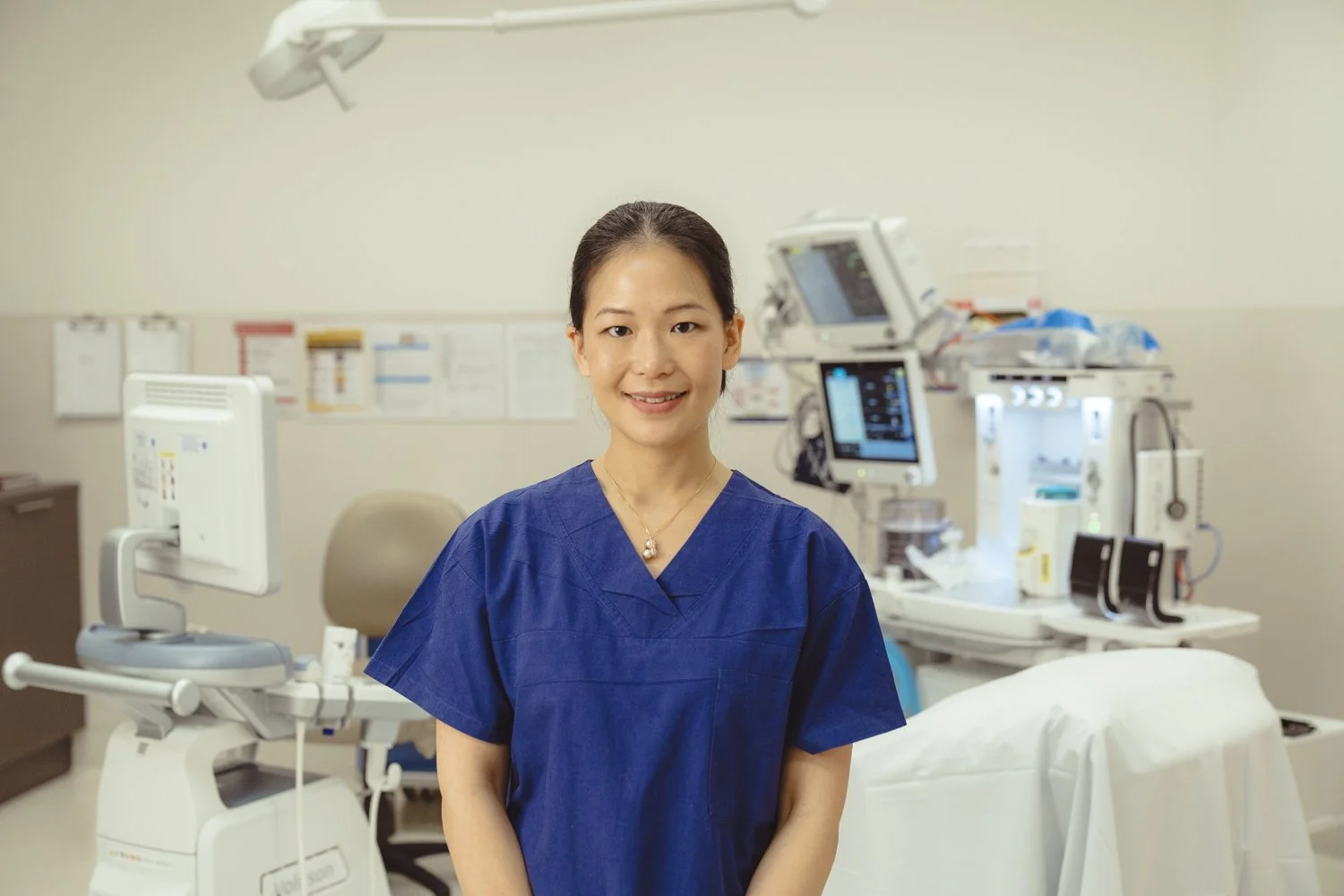
Why Many Women Choose Dr Tan
Dr Tan is a specialist gynaecologist with fellowship training in advanced laparoscopic surgery. What this means for you is meticulous, minimally invasive techniques aimed at minimising damage to surrounding tissue and preserving hormonal health where possible.
But what many women value most is the way Dr Tan listens, explains things clearly, walks you through options without pressure, and helps you to feel confident in whatever you choose next.
FAQs
-
No. In most cases, it’s not urgent. There are often alternate options. It’s about whether you feel that hysterectomy is the right next step for you.
-
No, only if your ovaries are removed. A hysterectomy alone (ovaries are kept in place) means you are still producing hormones, even though you will no longer get your period.
-
Yes. Most women can (cautiously!) resume intercourse within 6–8 weeks. Many say it becomes more comfortable once previous symptoms, like bleeding or pain, are no longer an issue.
-
Recovery varies, but most women are doing light activities within 1–2 weeks and feel back to normal by 6 weeks. You’ll be guided based on how your body responds.
-
It’s natural to wonder. That’s why it’s important to have all your questions answered and to work with someone who supports your long-term wellbeing, not just focused on the surgery.
If you’re considering a hysterectomy, or just want to talk through your options, it’s worth sitting down with someone who can guide you gently, honestly, and without pressure.